Best sofa cleaning service near Tottenham Hale station
If you are searching for the Best sofa cleaning service near Tottenham Hale station, you are probably dealing with one of those everyday sofa problems that quietly gets worse: a dull patch where people always sit, a stubborn drink mark, pet hair in the weave, or that faint smell you only notice when the room warms up. To be fair, sofas take a beating. They are used for movie nights, quick naps, work-from-home lunches, and the occasional spill that seemed minor at the time. This guide explains what a good sofa cleaning service should do, how the process works, what to look for near Tottenham Hale, and how to avoid paying for a service that sounds polished but leaves you with damp cushions and not much else.
For readers who want a broader view of fabric care, the same principles also apply to professional upholstery cleaning and related services such as targeted stain removal. If your sofa has pet issues as well, it can also help to understand pet stain and odour removal before you book. The point is simple: the right cleaner should restore the fabric, respect the material, and make your home feel fresher without fuss.
Table of Contents
- Why sofa cleaning near Tottenham Hale station matters
- How the sofa cleaning process works
- Key benefits and practical advantages
- Who this service is for and when it makes sense
- Step-by-step guidance
- Expert tips for better results
- Common mistakes to avoid
- Tools, resources and recommendations
- Law, compliance, standards, or best practice
- Options, methods, or comparison table
- Case study or real-world example
- Practical checklist
- Conclusion
- Frequently asked questions
Why Best sofa cleaning service near Tottenham Hale station Matters
A sofa is one of the hardest-working items in any home. It absorbs body oils, dust, crumbs, airborne grime, pet dander, and whatever gets brushed off coats and bags. Near a busy station like Tottenham Hale, that matters even more because homes in the area often deal with higher footfall, tighter living spaces, and the general churn of city life. Shoes, commutes, opening windows, and busy schedules all add up. A sofa might still look "fine" from across the room, but once you sit down, you notice the flattened fibres, the greyish shadowing on armrests, or a stale smell that has been hanging around for months.
Good sofa cleaning is not just about appearance. It can help extend the life of the fabric, support a cleaner indoor environment, and reduce the build-up that makes a room feel tired. Let's face it, replacing a sofa is expensive and awkward. Cleaning is usually the smarter move if the frame and fabric are still in good shape.
There is also a comfort factor that people underestimate. A freshly cleaned sofa changes the mood of a room. The fabric feels softer, the colour looks sharper, and the whole space smells cleaner. That sounds small until you live with it. Then it feels surprisingly big.
Expert summary: The best sofa cleaning service should do three things well: identify the fabric correctly, choose the right cleaning method, and leave the sofa usable without over-wetting or residue. Anything less is just a fancy rinse.
How Best sofa cleaning service near Tottenham Hale station Works
A proper sofa cleaning appointment usually starts with inspection. The cleaner should look at the fabric type, construction, seams, cushion fillings, and any visible stains before choosing a method. This matters because not every sofa can take the same treatment. A cotton blend, velvet finish, synthetic microfiber, and delicate natural fibre all behave differently under moisture and agitation.
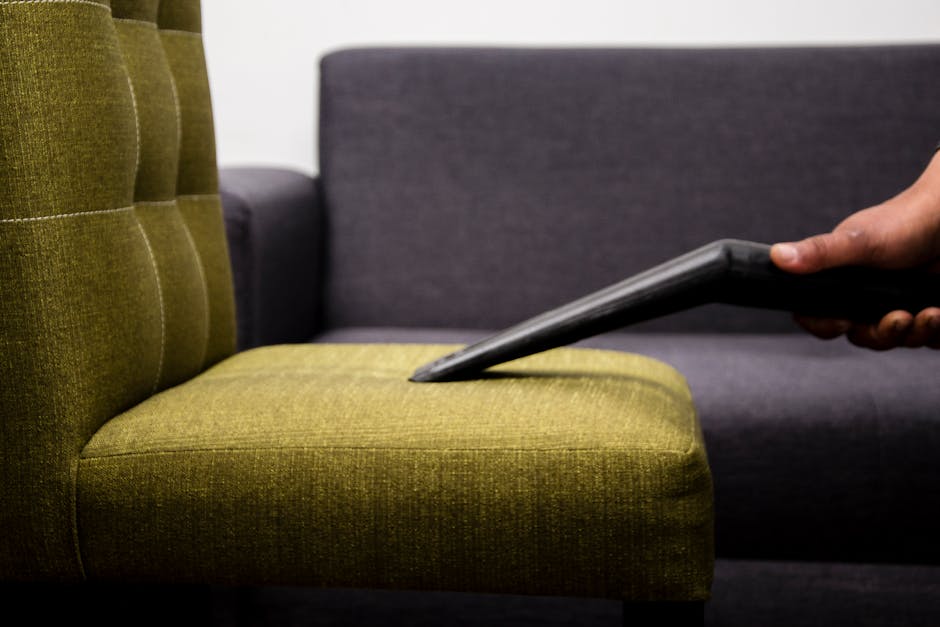
In normal practice, the cleaner may carry out a dry vacuum first to remove loose dust and debris. Then they may test a discreet spot to make sure the fabric responds well. After that, they will usually apply a cleaning solution suited to the material and use extraction, low-moisture cleaning, or carefully controlled steam depending on the fabric and soil level. Some jobs need extra attention around armrests, seat fronts, and head-rest areas where oils collect.
The process may also include deodorising and, where appropriate, focused treatment of localised marks. If you are dealing with spills rather than overall grime, a service that offers specialist sofa cleaning can be a better choice than a generic all-purpose clean. And if the issue is not only the sofa but the surrounding soft furnishings, you may get better value from a broader curtain cleaning or room-wide fabric refresh at the same time.
Drying time varies, of course. That depends on fabric type, airflow, weather, and how much moisture the cleaner uses. In a flat near the station, where windows may not always be open and space is limited, good airflow advice is just as important as the cleaning itself.
Key Benefits and Practical Advantages
People usually book sofa cleaning for one reason, then discover several more benefits once it is done. That is pretty normal. The visible change is obvious, but the practical upside goes further.
- Better appearance: Colours look brighter and the sofa stops looking tired or patchy.
- Improved freshness: Odours from food, pets, smoke, or general use are reduced.
- Longer fabric life: Dirt trapped in fibres acts like grit; regular cleaning helps reduce wear.
- More comfortable seating: Clean fibres feel softer and less sticky.
- Better home hygiene: Dust and allergens are reduced, though not eliminated.
- Stronger property presentation: Useful for landlords, tenants, hosts, and anyone preparing for guests.
There is also a subtle benefit that people mention after the fact: the room feels less cluttered even though nothing moved. A clean sofa can change the whole visual weight of a lounge. Strange but true.
If you are comparing services, ask whether the company can explain the method they will use, how long drying is likely to take, and what aftercare you should follow. That level of clarity is often a better signal than a flashy promise.
Who This Is For and When It Makes Sense
Not every sofa needs an immediate deep clean, but certain situations are clear signs that it is time. If your seating has visible staining, flattened traffic marks, or lingering odour, booking a professional clean usually makes sense. It is also a good idea after a pet accident, before a tenancy handover, after a party, or when moving into a new home and wanting to start fresh.
This service is especially useful for:
- families with children who snack everywhere except the table
- pet owners dealing with fur, paw marks, or occasional accidents
- tenants preparing for inventory checks
- landlords and letting agents who want a presentable living room
- busy professionals who simply do not have the time or tools to do it properly
- anyone with a fabric sofa that has lost its original brightness
It also makes sense if you have already tried home cleaning sprays and found the result uneven. Those products can help with very small spots, but they rarely solve the bigger problem. And sometimes they make it worse by pushing the stain deeper. Annoying, yes.
For homes with multiple soft surfaces, a combined visit may be sensible. Pairing sofa care with rug cleaning or mattress cleaning can be a practical way to keep the whole room feeling consistent rather than cleaning one item and leaving everything else dull.
Step-by-Step Guidance
If you are booking the Best sofa cleaning service near Tottenham Hale station, a straightforward process will usually save time and reduce confusion. Here is how it should feel from your side.
- Assess the sofa honestly. Note the fabric type if you know it, the location of stains, and any odours or wear patterns.
- Request a clear quote. Ask what is included, whether stain treatment is part of the service, and whether cushions are included separately.
- Check fabric suitability. A professional should explain the method recommended for your upholstery, not just say "we'll steam it".
- Prepare the room. Move small items, clear surfaces near the sofa, and make space for access. It sounds obvious, but it helps a lot.
- Vacuum and pre-inspect. A good cleaner will remove loose debris and identify any issue spots before applying moisture.
- Test and treat. Solutions should be tested where appropriate, especially on delicate or dyed fabrics.
- Clean carefully. The aim is even results without over-wetting the filling or leaving residue behind.
- Dry and ventilate. Use airflow, open windows if practical, and follow any aftercare advice given.
- Review the result. Check seams, armrests, and cushions before the cleaner leaves, just in case anything needs a second pass.
That last step matters more than people think. A good company will welcome the check. If they seem oddly keen to rush out the door, well, that tells you something.
Expert Tips for Better Results
Over the years, a few habits make a noticeable difference. None of them are dramatic, but they add up. A sofa is easier to clean well when it has been cared for a little along the way, rather than ignored for years and then attacked in panic.
- Deal with spills early: Blot, do not scrub. Scrubbing spreads the stain and roughs up the fibres.
- Vacuum regularly: Even a quick weekly pass helps reduce grit and crumbs settling into the weave.
- Keep pet routines under control: Brushing pets and using throws in favourite spots can reduce build-up.
- Avoid random sprays: Mixed cleaners can leave rings, sticky residue, or discolouration.
- Ask about drying times: If you need the sofa that evening, say so upfront.
- Use airflow after cleaning: A fan or open window can help, especially in flats where air is still.
One small but useful point: if you are booking in winter, drying can take longer simply because the air is colder and indoor ventilation is often limited. Not a problem if the cleaner plans for it. Very much a problem if they do not.
Another thing worth asking is whether the company handles different textile finishes. Velvet-style upholstery, for example, can look amazing when treated properly and quite flat when handled carelessly. A cleaner with real experience should be comfortable explaining that difference without sounding rehearsed.
Common Mistakes to Avoid
A lot of sofa cleaning disappointments come from avoidable mistakes, not bad luck. The first mistake is choosing purely on price. A cheap quote can be fine, but if the service does not include inspection, suitable products, and proper drying advice, you may end up paying twice.
The second mistake is using a one-size-fits-all method. A sofa is not a countertop. It needs a fabric-specific approach. If a company promises the same result for every material, that is not confidence; that is laziness dressed up as certainty.
Other common errors include:
- applying too much water or detergent
- forgetting to check cushion labels or cleaning codes
- scrubbing stains aggressively
- cleaning only the obvious patch and leaving tide marks around it
- not asking about odour treatment when smell is part of the problem
- ignoring aftercare, especially ventilation and drying time
There is also the classic mistake of treating the sofa as separate from the room. If the rest of the soft furnishings are dusty or stained, the sofa may still look a bit odd after cleaning. Sometimes the best result comes from a broader plan that includes related fabric care, not just the centrepiece.
Tools, Resources and Recommendations
You do not need a cupboard full of specialist products to make a sensible decision. What you do need is a basic understanding of what reputable cleaners use and what they should be able to explain in plain English.
Useful things to look for or ask about include:
- Inspection and testing tools: needed to check fabric reaction before cleaning begins.
- Vacuum extraction: useful for dry soil and post-clean residue removal.
- Fabric-safe cleaning solutions: the right chemistry matters more than brute force.
- Controlled moisture methods: especially important for upholstery that can retain water.
- Odour treatment options: helpful where smells have settled into the fibres.
If you want to compare services, a sensible starting point is the company's own information on pricing and quotes. That should help you understand what is included before anyone visits. You can also review insurance and safety details for extra peace of mind, and if you like to know how a business works behind the scenes, the about us page can be useful too.
For many readers, the practical decision comes down to trust. Do they sound careful? Do they explain the process? Do they answer questions without making you feel silly for asking them? That matters. A lot.
Law, Compliance, Standards, or Best Practice
Sofa cleaning itself is not a heavily regulated activity in the way some specialist trades are, but a good service should still follow common UK business and safety expectations. That means being clear about what the service includes, handling products responsibly, and taking care around electrical equipment, wet floors, and access in your home.
In practical terms, best practice usually includes:
- using suitable products for the fabric type
- following safe working methods around water and electricity
- being honest about stains that may not fully disappear
- protecting nearby surfaces and flooring
- explaining any limitations before work begins
- having clear terms for cancellations, payments, and complaints
If you want to understand a company's approach to those issues, supporting pages like health and safety policy, terms and conditions, and complaints procedure can tell you a great deal about how seriously they take customer care. It is not glamorous reading, no. But it is often revealing.
For customers who care about ethical business practices and lower waste, a company's recycling and sustainability information can also be a meaningful signal. Even if your main concern is the sofa on Tuesday afternoon, it is still nice to know the service is run with some thought.
Options, Methods, or Comparison Table
Different sofas and different problems need different methods. There is no single perfect approach, which is why the best cleaner should explain the trade-offs rather than pushing one technique every time.
| Method | Best for | Pros | Watch-outs |
|---|---|---|---|
| Low-moisture upholstery cleaning | General cleaning, routine maintenance, mixed-use sofas | Usually quicker drying, good for regular refreshes | May need extra work for deep stains |
| Hot water extraction | Heavier soil, embedded grime, larger clean-ups | Strong deep-clean effect when used properly | Can over-wet fabric if handled badly |
| Spot stain treatment | Spills, marks, isolated problem areas | Targets visible damage efficiently | Not enough on its own for overall dullness |
| Odour treatment | Pet smells, food odours, stale fabrics | Helps freshness beyond appearance | Should not mask a problem with heavy fragrance |
Most homes near Tottenham Hale benefit from a tailored mix rather than a single method. For instance, a family sofa with old handprint marks, pet hair, and one coffee spill may need a combination of inspection, stain treatment, and controlled extraction. That is normal. It is not a sign anything is wrong with your sofa, just life being life.
Case Study or Real-World Example
Here is a realistic example. A couple living a short walk from Tottenham Hale station had a three-seater fabric sofa that had gradually gone from light grey to "mysterious beige-grey". There was no dramatic disaster, just everyday use: takeaway dinners, a dog that liked one armrest a bit too much, and a few small marks near the centre seat.
They had tried supermarket foam once, then stopped because it left the middle section looking slightly cleaner than the rest. A bit patchy, honestly. When they booked a professional clean, the cleaner inspected the fabric first, explained that the sofa needed controlled moisture rather than heavy soaking, and treated the armrest and seat-front areas separately. They also advised better drying airflow because the room only had one window and the weather was damp.
The result was not "brand new", because no respectable cleaner should promise that for a well-used sofa. But the colour looked fresher, the smell was gone, and the room felt brighter in the evening light. That is the kind of outcome most people actually want. Not perfection. Just properly refreshed.
Practical Checklist
Use this checklist before you book. It keeps things simple and helps you compare providers without getting lost in sales talk.
- Does the company explain which cleaning method is suitable for your sofa fabric?
- Do they mention stain treatment and drying guidance clearly?
- Can they tell you what is included in the quote?
- Do they offer sensible advice about pets, ventilation, and aftercare?
- Are their policies easy to find, including safety and complaints information?
- Do they ask questions about the sofa rather than assuming all upholstery is the same?
- Do they sound careful about over-wetting and residue?
- Are you comfortable with how they communicate?
If you are still deciding, look through the service pages that match your needs, especially sofa cleaning, upholstery cleaning, and stain removal. That gives you a better sense of how the service is structured before you commit.
Conclusion
Finding the Best sofa cleaning service near Tottenham Hale station is really about finding someone who treats your sofa like a fabric item, not a quick job to rush through. The right cleaner will inspect first, use the right method for the material, talk honestly about results, and leave you with a sofa that feels fresher, looks better, and fits the room again.
Near Tottenham Hale, where busy lives and compact homes often leave soft furnishings working overtime, a good clean can make a much bigger difference than people expect. It is practical, yes, but also one of those small household wins that lifts the whole space. And if the sofa is the place where everyone gathers at the end of the day, that matters more than it sounds like it should.
Get a free quote today and see how much you can save.
Sometimes the simplest home improvement is just giving the sofa a proper reset. Nice feeling, that.
Frequently Asked Questions
How do I know if my sofa needs professional cleaning?
If the fabric looks dull, feels sticky, smells stale, or has visible marks that home cleaning has not shifted, professional cleaning is usually worth considering. A sofa can still seem "okay" from a distance and yet hold a surprising amount of dirt close up.
What is the best sofa cleaning method for fabric upholstery?
It depends on the fabric and the level of soiling. Some sofas respond well to low-moisture upholstery cleaning, while others need more intensive extraction or careful spot treatment. A good cleaner should inspect first rather than guessing.
How long does a sofa take to dry after cleaning?
Drying time varies according to the method used, room temperature, airflow, and fabric thickness. In many cases, improved ventilation helps a lot. If the room is cool or damp, expect longer drying and plan accordingly.
Can sofa cleaning remove old stains?
Sometimes, yes. But older stains are more difficult and may have already bonded with the fibres. A professional can often improve them significantly, though no one should promise miracle results on a stain that has been there for years.
Is sofa cleaning safe for pets and children?
It can be, provided the correct products and methods are used and the sofa is allowed to dry fully before use. If you have young children or pets, mention that before booking so the cleaner can choose appropriate products and give clear advice.
Will cleaning damage delicate fabrics like velvet?
It can if the wrong method is used. That is why fabric inspection matters. Delicate finishes need a gentler approach, and the cleaner should explain how they will protect the texture and appearance.
How often should I have my sofa professionally cleaned?
That depends on how much the sofa is used. Homes with children, pets, or heavy daily use often benefit from more regular cleaning than a rarely used formal sitting room. There is no universal rule, but waiting until the sofa looks obviously tired is usually too late.
What should I do before the cleaner arrives?
Clear small items from the sofa and nearby surfaces, make access easy, and mention any stains or previous cleaning attempts. That helps the cleaner work more efficiently and reduces the chance of surprises mid-job.
Are sofa cleaning and upholstery cleaning the same thing?
Sofa cleaning is a more specific service focused on sofas, while upholstery cleaning can cover chairs, headboards, footstools, and other fabric furnishings. In practice, the methods overlap quite a bit, but the scope is broader with upholstery.
How can I compare sofa cleaning services fairly?
Look at how clearly they explain their process, what is included in the quote, whether they mention fabric suitability, and how they handle safety and complaints. Price matters, of course, but clarity and care matter more than a shiny headline number.
Should I choose a local service near Tottenham Hale station?
A local service can be easier to schedule and often has a better feel for the pace and practicalities of homes in the area. More importantly, proximity should not be the only factor. The real question is whether they sound competent, careful, and straightforward.
Can sofa cleaning help with odours as well as stains?
Yes, if the odour is coming from the fabric or trapped soil. Pet smells, food odours, and general stuffiness can often be improved with the right treatment. If the smell is severe or deeply embedded, it may need a more targeted approach.
What if the sofa looks clean but still feels dusty?
That is very common. Dust, dander, and fine debris can sit inside the fabric long before the sofa looks visibly dirty. If the room has a musty or slightly flat feel, a deep clean may help more than a quick surface refresh.