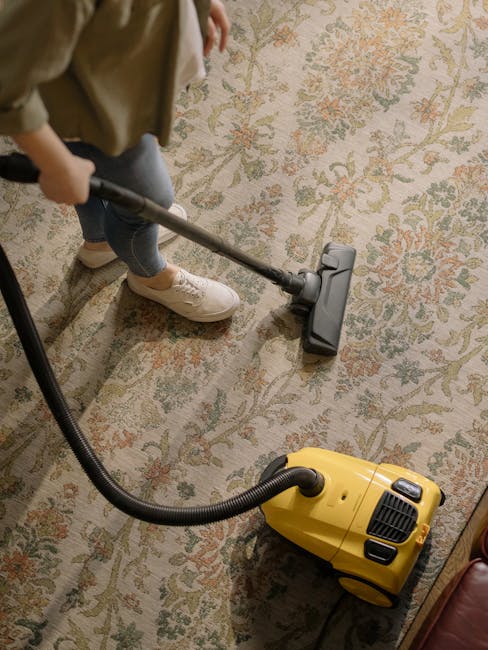
Emergency stain removal and carpet cleaning Tottenham High Road

Spills never seem to happen at a convenient time. One minute the carpet looks fine, the next there's red wine near the sofa, coffee by the hallway, or a muddy footprint trail after a busy day. If you need Emergency stain removal and carpet cleaning Tottenham High Road, the big question is simple: how do you stop a small accident from becoming a permanent mark? This guide walks you through what urgent stain treatment involves, how professional carpet cleaning usually works, what to do in the first few minutes, and how to avoid the kind of mistakes that quietly make stains worse. Truth be told, a calm response matters more than panic.
Whether the problem is in a home, flat, office, rental property, or shop space, fast action can make a real difference. And if you want a deeper service overview alongside urgent help, you may also find the broader carpet cleaning service useful, especially when a spill has spread beyond one patch and the whole room needs attention.
Why Emergency stain removal and carpet cleaning Tottenham High Road Matters
Carpet fibres are a bit like tiny sponges with memory. They absorb liquid quickly, hold onto pigments and odours, and can trap residue deep down where a surface wipe will not reach. That is why urgent stain treatment is not just about appearance; it is also about reducing the chance of lingering smells, discolouration, and hidden residue that attracts more dirt over time.
On Tottenham High Road, homes and businesses often deal with a mix of foot traffic, weather, food delivery spills, pet accidents, and everyday life. A stain on a hallway runner or reception carpet can spread stress as much as liquid. The real value of emergency carpet care is speed paired with the right method. Scrubbing harder is not the answer. Using the wrong chemical is not the answer either. And leaving it until tomorrow? Usually the worst option, especially with dyes, tannins, and protein-based stains such as milk, blood, or pet accidents.
There is also a practical side. In a rental property, a shop, or a shared office, a visible stain can affect how clean the whole place feels. You can have spotless skirting boards and still lose the battle if the carpet looks tired or marked. People notice underfoot first. Always.
Expert summary: emergency stain removal is most effective when the spill is treated early, the fibre type is identified, the cleaning method is matched to the stain, and moisture is controlled carefully so the carpet dries properly.
If the stain has already settled in, deeper treatment may be needed rather than just spot cleaning. In those situations, services such as specialist stain removal and steam carpet cleaning can be more appropriate than an improvised home fix.
How Emergency stain removal and carpet cleaning Tottenham High Road Works
Professional emergency carpet care is usually a straightforward process, but the judgement behind it matters. A trained cleaner will typically start by looking at the fibre type, pile condition, stain source, colour stability, and how long the mark has been there. That quick assessment decides everything that follows. Wool, synthetic blends, and delicate rugs can all react differently, and one method does not suit all.
The process often begins with dry extraction or controlled blotting, especially if the spill is still fresh. Then comes stain identification. Is it oily? Water-based? Protein-based? Dye-based? The answer determines which cleaning solution, dwell time, and technique should be used. On a bad day, a stain can look like one thing and behave like another, which is why guesswork can backfire. A coffee spill with milk added is not the same as black coffee. Small detail, big difference.
After pre-treatment, the cleaner may use agitation, targeted extraction, hot water extraction, or low-moisture methods depending on the carpet and the stain. The goal is to lift the contamination without overwetting the fibres or pushing the stain deeper. That last part matters more than people think. If a carpet stays wet too long, it can cause reappearance, wick-back, or a musty smell later on. Nobody wants that.
For large areas or carpets that have collected general soil as well as a localised stain, a full professional clean can help restore the room more evenly. That is where carpet cleaning becomes the sensible next step rather than only treating one visible patch.
Typical service flow
- Initial inspection and stain assessment
- Testing on a small, hidden area if needed
- Pre-treatment or stain-specific application
- Careful extraction or controlled cleaning
- Odour treatment where appropriate
- Drying guidance and aftercare advice
That may sound simple, but the detail is where the result lives. One carpet might only need a targeted correction. Another might need a broader clean to prevent the treated area from standing out like a sore thumb.
Key Benefits and Practical Advantages
Emergency stain removal offers more than a clean patch. It can protect the carpet structure, reduce odour, and preserve the overall look of a room. For a home, that often means avoiding a lingering reminder of an accident. For a business, it can help maintain a decent first impression. Let's face it, no one enjoys stepping into an office and spotting a mystery mark near reception.
- Faster stain control: quick treatment reduces the chance of permanent damage.
- Better colour protection: careful methods help avoid bleaching or dye spread.
- Odour reduction: effective cleaning can remove the source, not just mask it.
- Longer carpet life: residue left in fibres wears them down faster.
- Improved appearance: one stubborn mark can make the whole carpet look older than it is.
- Less disruption: a focused emergency clean is often quicker than waiting for visible damage to spread.
There is another benefit that people sometimes overlook: confidence. When a stain is dealt with properly, you stop staring at it every time you walk past. That alone is worth something, especially in a busy household where there are already enough things to think about.
If the issue involves pets, smell, or repeated accidents, it can be sensible to look at pet stain and odour removal rather than a standard stain clean. Pet-related stains can behave differently, and the odour source often sits below the surface.
Who This Is For and When It Makes Sense
This service is useful for anyone who needs quick, careful carpet recovery. That includes tenants, landlords, homeowners, offices, salons, retail spaces, cafes, and shared buildings. If the carpet is an investment, or if you simply want the room to feel clean again, urgent stain treatment makes sense. It also makes sense when you have a deadline: a viewing, a guest visit, a client meeting, or a changeover between tenants.
It is especially relevant when the stain is fresh, active, or spreading. A glass tipped over at 8 pm can be a small issue if treated at once. Leave it overnight, and suddenly the mark has a rim, a smell, and a story. Not a good story, either.
You may need help sooner if:
- the stain is dark or strongly coloured
- the carpet is wool, light-coloured, or textured
- the spill has already started to dry
- you have tried one cleaning product and it has not worked
- the area smells as well as looks marked
- the stain is on a high-traffic area such as a hallway or stairs
For commercial sites, it may also be worth looking at commercial carpet cleaning where stain recovery needs to sit alongside general upkeep. Offices and customer-facing spaces often need both at the same time.
Step-by-Step Guidance
If you are dealing with a stain right now, here is the simplest sensible approach. It is not fancy. It is just the sort of thing that tends to work better than panic and a paper towel half-heartedly dabbed at full speed.
- Act quickly. The first few minutes matter. Lift solids carefully and blot liquids without rubbing.
- Blot from the outside in. This helps stop the stain spreading into a larger halo.
- Use a clean white cloth. Coloured cloths can transfer dye. A white towel also makes it easier to see what you are lifting.
- Test any cleaner first. Hidden corners are safer than making the stain bigger.
- Use the right amount of moisture. Damp is good. Flooded is not.
- Do not scrub hard. It pushes contamination deeper and can distort the pile.
- Rinse carefully if needed. Residue left behind can attract dirt later.
- Dry thoroughly. Use airflow where possible and keep foot traffic off the area until it is properly dry.
If the stain is still visible after a sensible first attempt, stop before it gets worse. That is usually the point where expert help saves time, money, and a bit of dignity. In many cases, the best result comes from combining targeted stain work with a broader clean, especially when the rest of the carpet has picked up everyday dust and dullness.
A service such as steam carpet cleaning can be useful when the carpet needs a deeper refresh after the immediate stain has been controlled. It is not always the first step, but it can be the right finishing move.
Expert Tips for Better Results
Here is the practical stuff that tends to make a real difference.
- Know the stain family. Coffee, wine, ink, grease, mud, and pet accidents need different treatment approaches.
- Work gently at first. Aggressive cleaning often creates larger problems than the original spill.
- Keep a plain white towel handy. It sounds basic, but it is more useful than fancy sprays in the first minute.
- Use airflow. A fan, open window, or heating that is not blasting directly onto the carpet can help drying without damaging the pile.
- Think about the whole room. A tiny treated patch may still stand out if the surrounding carpet is heavily soiled.
- Check the fibre. Wool, nylon, polypropylene, and mixed fibres do not always behave the same way.
A small but important point: if a stain appears lighter after you treat it, do not assume the job is done. Sometimes residue is still sitting in the fibres and can reappear as the carpet dries. That hidden return is frustrating, because you think you have won and then, well, the stain comes back for round two.
If the mark is on upholstery near the carpeted area, you might also need upholstery cleaning or even sofa cleaning so the room looks balanced again. Cleaning only one item can make the others look more tired than they really are.
Common Mistakes to Avoid
Most bad outcomes come from good intentions carried out too quickly. It happens all the time. The carpet is stained, you want it fixed now, and the nearest cleaning product looks convincing enough. Unfortunately, not every bottle is your friend.
- Rubbing instead of blotting. This drives the spill into the fibres.
- Using too much water. Overwetting can create wick-back or a musty smell.
- Mixing products. That is risky and can damage fibres or leave chemical residue.
- Ignoring the carpet type. A method that works on synthetic fibres may harm wool.
- Waiting too long. Some stains set quickly, and delay narrows your options.
- Using heat too early. Heat can set certain stains, especially protein and dye-based ones.
- Forgetting the edge of the stain. The visible centre may look better while the outer ring stays hidden until later.
One more thing. Do not keep "having another go" with random products if the first attempt fails. That can turn a manageable stain into a cleaned-but-damaged patch, which is a different headache entirely.
Tools, Resources and Recommendations
You do not need a van full of kit to respond sensibly to a spill. A small, well-chosen set of tools is usually enough for the first response. After that, it is about using judgment. The fancy bit is not the gadget. It is the method.
| Method | Best for | Pros | Limitations |
|---|---|---|---|
| Blotting with white cloths | Fresh spills | Simple, immediate, low risk | Won't remove deep residue |
| Targeted stain treatment | Isolated marks | Focuses on the problem area | Can leave the patch looking uneven if the room is dirty overall |
| Hot water extraction | General carpet cleaning and deeper soil | Strong overall clean, useful after spills | Needs proper drying and fibre awareness |
| Low-moisture methods | Delicate or fast-turnaround situations | Shorter drying time | May not suit all heavy stains |
Good practical items to keep around include:
- clean white towels or microfibre cloths
- a blunt tool or spoon for lifting solids
- a small bowl of cool water
- a fan for drying
- gloves if the stain is unsanitary or unpleasant
If you need a more specialised clean for a particular surface, it can help to look at related services such as rug cleaning or mattress cleaning. Different textiles, different rules. That is just the reality of it.
Law, Compliance, Standards, or Best Practice
For most readers, the key point here is not a technical legal threshold. It is good practice and care. In UK domestic and commercial settings, responsible carpet cleaning should consider safety, correct product use, ventilation, and waste handling. Cleaning chemicals should be used according to label guidance, and any wet work should be managed to reduce slip risk. Simple, but important.
For businesses, there is also a duty of care toward customers, staff, and visitors. That means wet floors should be managed properly, cleaning should not create avoidable hazards, and any sensitive space should be treated in a way that respects the environment it is in. A reception area, for example, needs different timing and disruption planning than a back office or storage room.
It is also wise to choose services that are transparent about safety, insurance, and service terms. If you want to understand how a provider thinks about that side of the work, pages like health and safety policy, insurance and safety, and terms and conditions are worth a look. They help set expectations before anyone steps through the door with equipment.
Privacy and payment matter too, particularly if you are booking on behalf of a business or landlord. In that case, the relevant pages on payment and security and privacy policy can give you a better sense of how the service handles customer information and transactions. No drama, just sensible due diligence.
Options, Methods, or Comparison Table
Choosing the right approach depends on the stain, the carpet, and the result you need. A fast spot clean can be enough sometimes. Other times, you need a deeper process because the spill has gone beyond the surface.
| Option | When it suits | What it does well | What to watch for |
|---|---|---|---|
| Immediate blot-and-treat | Fresh, localised spills | Stops spread and limits absorption | May not fully remove settled residue |
| Professional stain removal | Stubborn or unknown stains | Targets the stain source with proper assessment | Needs correct fibre matching |
| Full carpet cleaning | General dirt plus visible staining | Refreshes the whole room and evens out appearance | Requires drying time |
| Combined stain and odour treatment | Pet accidents, food spills, damp smells | Addresses both appearance and smell | May need more than one pass |
In plain terms, the more uncertain the stain is, the less sense it makes to improvise. If it is wine on a light carpet, or an old mark you only noticed after the room warmed up in the afternoon, a professional approach is usually the safer bet. If you are unsure, that uncertainty is useful information in itself.
Case Study or Real-World Example
Here is a realistic scenario. A family on Tottenham High Road notices a fresh food spill in the living room after an evening meal. It is a mix of sauce and oil, with a bit of foot traffic from the hallway tracking it around. At first glance, it looks manageable. They blot it, then realise the stain has started to spread in a faint ring. By the next morning, the patch is more visible in daylight than it was at night. Very typical.
In that situation, the sensible route is not to keep layering household sprays over the same fibres. Instead, the area should be assessed, the stain type identified, and a controlled cleaning method selected. Because the carpet has also picked up general dust and hallway soil, treating only the visible mark would probably leave a noticeable difference in texture and shade. A targeted stain process followed by a broader clean gives the room a more even finish.
That is usually how the best results happen in real life: not through one magic product, but through a calm sequence of steps. A stain is dealt with, the surrounding area is refreshed, and the carpet dries properly. The room feels normal again. Nice and boring, which is exactly what you want after an emergency.
Practical Checklist
Use this quick checklist if you are handling a spill or deciding whether to call for help.
- Identify the stain source if you can
- Remove solids carefully without pressing them in
- Blot with a clean white cloth
- Avoid scrubbing
- Do not flood the carpet with water
- Test any cleaning solution in a hidden spot
- Allow for proper drying and airflow
- Look for reappearing marks after drying
- Consider the whole room, not just the stain
- Get professional help for old, coloured, greasy, or odorous stains
If you are arranging work for a property or workspace, it may also help to review the service provider's broader approach to trust and quality through pages such as about us and recycling and sustainability. They are not about the stain itself, but they can tell you a lot about the standard behind the service.
Get a free quote today and see how much you can save.
Conclusion
Emergency stain removal is one of those jobs that looks simple from a distance and very different once you are standing beside the mark with a cloth in your hand. The best results come from quick action, the right method, and a bit of restraint. Tottenham High Road has its fair share of everyday spills, heavy foot traffic, and busy households, so it makes sense to treat carpet care as a practical part of keeping a space comfortable, not an afterthought.
If you remember just one thing, make it this: the faster and more carefully you respond, the better your chances of saving the carpet and avoiding the second problem that usually arrives later, which is the smell. Nobody wants that. If you are dealing with a stubborn stain now, take a steady approach, and if needed, bring in proper help before the damage sets. That small decision can save a lot of fuss.
Frequently Asked Questions
How quickly should I deal with a carpet stain?
As soon as possible. Fresh stains are much easier to control because they have not fully bonded with the fibres yet. Even a few minutes can matter with drinks, sauces, and pet accidents.
Should I rub a stain out of the carpet?
No. Rubbing usually pushes the spill deeper and spreads the mark. Blot gently from the outside in using a clean cloth instead.
What stains are hardest to remove from carpets?
Ink, red wine, coffee with milk, grease, and pet-related stains can be especially stubborn. Older marks are harder too, because they have had time to set.
Is steam cleaning safe for every carpet?
Not always. Steam or hot water extraction is effective on many carpets, but fibre type, backing, and dye stability need to be checked first. Delicate items may need a different method.
Can I use supermarket stain remover on any carpet?
It is safer to test it first. Some products can lighten dyes, leave residue, or react badly with wool and blends. What works on one carpet can cause problems on another.
Why does a stain sometimes come back after cleaning?
That is often called wick-back. Moisture or residue deep in the fibres rises to the surface as the carpet dries, bringing the stain with it. Proper extraction and drying help reduce the risk.
How do I remove odour as well as the stain?
You need to treat the source, not just the visible mark. That is especially true for pet accidents and spilled milk or food. In those cases, specialised odour treatment is often more effective.
Will professional cleaning leave my carpet wet for a long time?
It depends on the method, fibre type, ventilation, and room temperature. A good cleaner will aim to control moisture carefully and advise you on drying time.
Do I need a full carpet clean if only one spot is stained?
Not always, but sometimes yes. If the surrounding area is also dirty, a full clean can help the repaired area blend in better and avoid a patchy look.
What should I do before a cleaner arrives?
Stop any further spreading, blot gently if the spill is fresh, avoid using more products, and clear access to the area. If possible, note what caused the stain, because that helps with treatment choice.
Can carpet stains be removed completely every time?
Not every time, no. Some stains permanently alter fibres or dyes. But even when total removal is not possible, professional treatment can often improve the appearance a great deal and reduce odour.
Is emergency stain removal useful for businesses as well as homes?
Absolutely. Offices, shops, and hospitality spaces often need quick intervention because appearance and hygiene matter to customers and staff. A small mark can make a space feel less cared for than it really is.