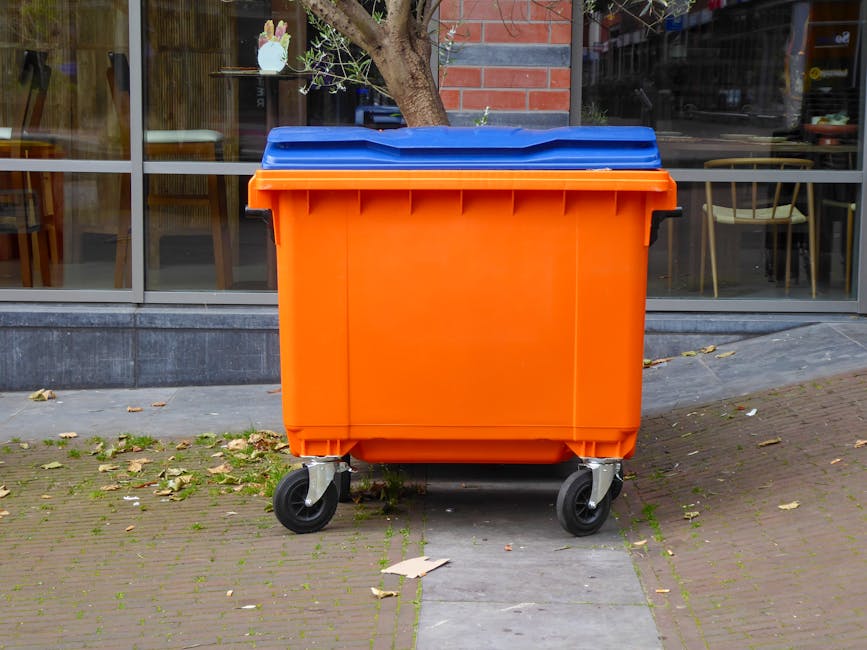
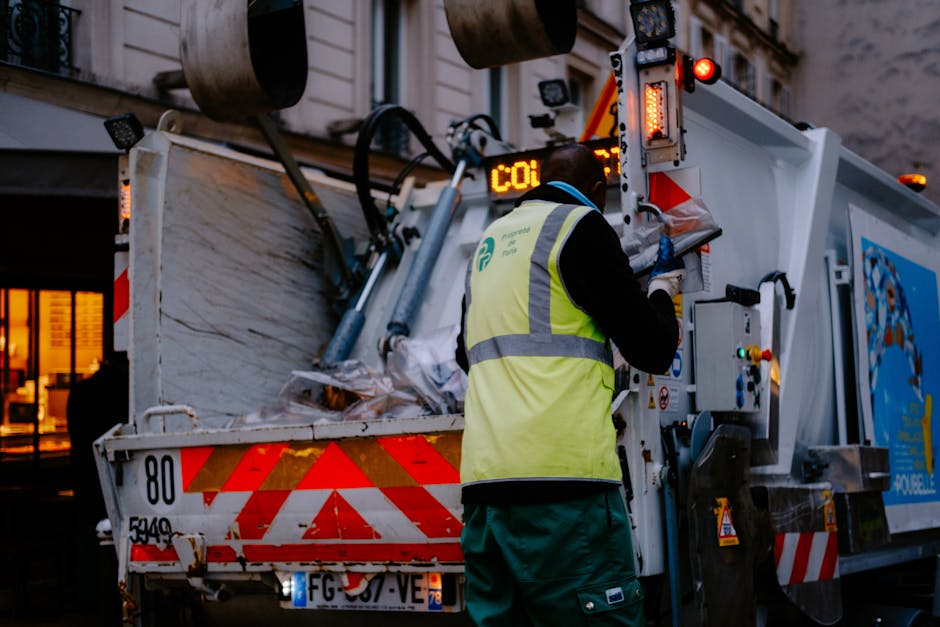
Haringey Council Rules for Waste from Commercial Cleaning Jobs
If you carry out commercial cleaning in Haringey, waste handling is not just a back-of-house detail. It affects your compliance, your reputation, your costs, and, frankly, how smoothly the whole job runs. Haringey Council rules for waste from commercial cleaning jobs are especially important when you are dealing with bagged rubbish, dirty water, used PPE, packaging, disposable cloths, sanitary waste, or anything that leaves a site in a state that is no longer simply "cleaned".
The tricky part? Most cleaning jobs generate waste that looks small in the moment but adds up fast across a week. If you are collecting waste from offices, flats, shops, communal areas, or end-of-tenancy properties, you need a clear process. This guide explains what usually matters, how to stay on the right side of council expectations, and how to make the whole thing easier in practice. Not glamorous, I know. But useful. Very useful.
Quick expert takeaway: the safest approach is to separate waste properly, know who is responsible for it once it is removed from a site, keep basic records, and make sure any disposal route is lawful and appropriate for the type of waste you are producing.
Table of Contents
- Why Haringey Council rules for waste from commercial cleaning jobs matters
- How Haringey Council rules for waste from commercial cleaning jobs works
- Key benefits and practical advantages
- Who this is for and when it makes sense
- Step-by-step guidance
- Expert tips for better results
- Common mistakes to avoid
- Tools, resources and recommendations
- Law, compliance, standards, or best practice
- Options, methods, or comparison table
- Case study or real-world example
- Practical checklist
- Conclusion
- Frequently asked questions
Why Haringey Council rules for waste from commercial cleaning jobs Matters
Commercial cleaning creates a special kind of waste burden. It is not always "general rubbish" in the casual sense. A contract clean can produce mixed waste streams, and that distinction matters because disposal expectations change depending on what you have collected and where it came from.
In Haringey, as in the rest of London, you cannot simply assume that all waste can be bundled into one bag and taken away however you like. The council's wider waste management expectations, together with UK waste law, mean you should think about storage, segregation, transfer, duty of care, and the type of disposal route used. If you get it wrong, the consequences can be messy: extra charges, complaints from clients, blocked bins, unpleasant odours, or in the worst case, enforcement action. Nobody wants that on a Monday morning when the van is already late.
There is also a practical side. Proper waste handling makes a cleaning operation more efficient. You will notice fewer cross-contamination issues, better hygiene standards, and less time spent reworking a site because waste has been left behind or collected badly. For cleaners working in offices, hospitality, managed blocks, or commercial units around Haringey, that can be the difference between an easy contract and a recurring headache.
Another thing worth saying: many clients now ask direct questions about disposal. They want to know whether a contractor is responsible, whether waste is recycled where possible, and whether the business has appropriate policies. So even if you are only dealing with small amounts of waste, your process can become part of your pitch.
How Haringey Council rules for waste from commercial cleaning jobs Works
The easiest way to understand this is to think in stages. First, waste is created during the cleaning job. Then it is sorted, stored, transported, and handed over for disposal or recovery. Each stage carries a different risk if you rush it.
1. Identify the type of waste
Start by deciding what you are dealing with. Common examples from commercial cleaning jobs include:
- general mixed rubbish from desks, bins, and communal areas
- used paper towels, wipes, mop heads, and disposable cloths
- packaging from cleaning consumables
- food waste from kitchens or staff areas
- sanitary waste from washrooms
- water and residue from carpet or upholstery cleaning
- broken items or bulky refuse discovered during the clean
Not all of this is hazardous, but some of it may need special handling. The moment you see chemicals, sharps, bodily fluids, or anything contaminated beyond ordinary dirt, your approach should change.
2. Store waste safely on site
Waste should be kept in a way that avoids spills, smells, pest attraction, and unauthorised access. That may sound obvious, but in a busy clean it is easy to leave black bags by a rear exit or in an open yard. That is the sort of thing that attracts attention from clients, neighbours, and, sometimes, council officers.
3. Use the right collection method
Depending on the size of the job, waste may be removed in small bags, segregated bins, or larger commercial containers. If you are taking waste away yourself, you need to be sure your vehicle, handling methods, and disposal destination are suitable. If you use a licensed carrier, make sure they are properly set up for the waste streams you produce.
4. Keep transfer details and records
Good paperwork is not exciting, but it is your protection. For commercial waste, a written record of transfer is often a sensible minimum. You should know what was removed, who removed it, where it went, and when. If there is ever a question from a client, landlord, or council representative, you will be glad those details exist.
5. Dispose of waste lawfully
This is the bit people sometimes try to shortcut. The law and council expectations generally require waste to go only to an authorised facility or a legitimate collection route. Fly-tipping, informal dumping, or passing waste to an unverified collector is not a clever saving. It is a risk with a bill attached.
To be fair, the rules feel more manageable once you treat waste as part of the job scope, not an afterthought. The clean is not finished until the waste is dealt with properly. That is the real rule, even if nobody says it out loud.
Key Benefits and Practical Advantages
Following the right approach brings concrete benefits. Not theory. Real, practical ones.
- Fewer compliance problems: a clear waste process reduces the chance of disputes, fines, or complaints.
- Cleaner handover to clients: sites are left in a better state, with no loose bags, residue, or lingering smells.
- Better reputation: responsible waste handling looks professional and reassures commercial clients.
- Safer working conditions: staff are less likely to encounter sharps, leaks, or contaminated materials.
- More efficient jobs: when waste is sorted as you go, you avoid end-of-job chaos.
- Stronger sustainability profile: separating recyclables and reducing landfill waste supports greener operating standards.
There is also a quiet benefit that people overlook: better predictability. Once you know what waste a job normally creates, you can price it properly, plan labour better, and avoid "extra" time disappearing into bins, bin stores, and back-door runs. That stuff eats margins.
If you work on repeat commercial contracts, a tidy waste routine also helps teams stay consistent. One cleaner should not be improvising while another is over-separating. A simple shared standard makes everyone faster.
Who This Is For and When It Makes Sense
This topic matters for more people than you might think. It is not only for large facilities teams. In practice, Haringey Council rules for waste from commercial cleaning jobs affect:
- independent cleaning contractors
- commercial cleaning companies
- office cleaners
- end-of-tenancy cleaners working on rented commercial or mixed-use premises
- window, carpet, upholstery, and deep-clean specialists
- landlords and managing agents who commission periodic cleans
- caretakers and building management teams
- hospitality cleaning teams
It makes the most sense to formalise your waste process when you are handling any of the following:
- multiple bags or repeated waste collections from the same site
- wet waste, dirty water, or extract residues
- waste containing chemicals or chemical packaging
- client sites with strict access rules
- shared buildings where bin stores are limited
- jobs involving sensitive areas such as washrooms, kitchens, or medical-adjacent premises
If you only do small, low-risk cleans once in a while, you still need a lawful process. It just may be simpler. But if you are regularly in and out of sites across Haringey, a written waste method quickly becomes part of how you operate. A bit dull, yes. Also essential.
Step-by-Step Guidance
Here is a practical way to handle waste from commercial cleaning jobs without overcomplicating it.
Step 1: Assess the waste before you start
Walk the site and note what will be removed. You are looking for volume, type, contamination risk, and any awkward items such as broken glass or bulky waste. If you are already carrying out a service like commercial carpet cleaning, factor in waste from pre-vacuuming, waste water management, and any disposable protective materials.
Step 2: Separate waste as it is produced
Do not wait until the end. Set aside general waste, recyclables where appropriate, and any special waste that should not be mixed in. Even a small sorting habit can make later disposal much simpler.
Step 3: Protect the site during storage
Use lidded bins, sealed bags, or covered containers where needed. Keep waste away from clean surfaces, freshly cleaned carpets, and routes used by staff or the public. If the site is busy, this is where many problems start. One bag left in the wrong corner can undo a lot of good work.
Step 4: Handle dirty water and liquid residues carefully
Liquid waste from extraction or deep cleaning should never be tipped casually into drains or outside areas without first checking that the disposal route is acceptable and safe. This is one of those details people think they know, then find out later they did not quite know enough.
Step 5: Use an authorised disposal route
Whether waste is collected by a contractor or taken to a facility, make sure the route is lawful and appropriate for the material type. If your operations include stain-heavy cleaning or odour treatment, such as stain removal or pet stain odour removal, be even more careful with contaminated cloths, pads, and absorbent materials.
Step 6: Record the transfer
Keep the date, type of waste, quantity or number of bags, and where it went. If a site manager asks later, you will have an answer in seconds instead of a guess and a shrug.
Step 7: Review the process after each job
Ask what went wrong, what took too long, and where waste handling could have been smoother. A five-minute review after a job can save an hour on the next one.
Expert Tips for Better Results
In our experience, the best waste systems are the boring ones. Simple. Repeatable. Easy for staff to follow on a tired Friday evening when the building is half empty and everyone wants to go home.
- Use a standard waste brief on every commercial job. A short checklist keeps the team aligned.
- Label bags and containers clearly. It helps especially on larger sites where multiple teams work at once.
- Keep a separation rule for hazardous-looking material. If in doubt, stop and assess rather than guessing.
- Build waste time into the quote. Otherwise the job always looks profitable until it is not.
- Train staff on "what not to mix". One contaminated bag can create a whole disposal problem.
- Check site access early. Some Haringey premises have tight bin-store access, awkward lifts, or time-restricted loading arrangements.
A small but useful habit: photograph waste staging areas before leaving a site if the contract permits it. Not for show. Just as a record. It can save arguments later, which is nice because arguments are not exactly a revenue stream.
Also, if you are running greener operations, look at reducing disposable items in the first place. Reusable cloths, refillable dispensers, and fewer single-use materials can cut waste volume surprisingly quickly.
Common Mistakes to Avoid
Most waste mistakes are not dramatic. They are ordinary. That is why they happen so often.
- Mixing waste types without checking. General rubbish, contaminated material, and recyclable packaging should not always go in the same bag.
- Leaving waste unsecured. Open bags, leaking containers, and overfilled bins are asking for trouble.
- Assuming the client will handle everything. Responsibility should be agreed clearly, not guessed.
- Using an unverified collector. Cheap can become very expensive very quickly if disposal is unlawful.
- Ignoring liquid residue. Dirty water, extraction sludge, and chemical run-off need proper handling.
- Forgetting records. If there is no paper trail, you have less protection if anything is questioned later.
- Underpricing waste handling. This is a quiet profit leak. Easy to miss, hard to enjoy.
One common real-world scenario: a cleaner finishes a late office job, piles bags by the service entrance, and expects the building team to sort them out next day. Then the bags split, the smell drifts, and everyone starts asking who was responsible. That kind of avoidable mess can sour a good contract fast.
Tools, Resources and Recommendations
You do not need a huge setup, but a few basic tools make commercial waste handling much easier.
| Tool or resource | Why it helps | Best used for |
|---|---|---|
| Heavy-duty sacks | Reduces splitting and leakage | General cleaning waste, cloths, packaging |
| Colour-coded liners or labels | Makes segregation easier | Sites with multiple waste streams |
| Sealable containers | Contains odours and liquids | Wet waste, sanitary waste, residue materials |
| Job waste log | Creates a basic audit trail | Commercial contracts and repeat clients |
| PPE | Protects staff from contamination | Waste handling, bin emptying, liquid cleanup |
| Company waste policy | Clarifies responsibilities | Training, quotes, contract handovers |
If your work includes carpet or upholstery jobs, tools and methods matter even more. Responsible extraction and drying methods reduce the chance of messy discharge. For example, teams that regularly use steam carpet cleaning or upholstery cleaning should think about waste water, saturated cloths, and packaging from spot treatments as part of the job plan.
It can also help to review your wider business policies, such as health and safety policy and recycling and sustainability approach. Those pages may seem administrative, but they support a more consistent operating standard. And consistency matters more than people admit.
Law, Compliance, Standards, or Best Practice
This section is where a little caution is wise. Waste law and local requirements can change, and exact duties depend on the waste type, who produced it, and how it is being stored or transferred. So the safest approach is to treat Haringey Council rules for waste from commercial cleaning jobs as part of a wider compliance picture rather than a single fixed rulebook.
In practice, commercial cleaners should pay attention to the following broad principles:
- Duty of care: you are responsible for waste while it is in your control and during transfer.
- Correct classification: know whether the material is general, recyclable, contaminated, or potentially hazardous.
- Safe storage: avoid escape, nuisance, and contamination.
- Legal disposal route: only use legitimate disposal or recovery routes.
- Record keeping: keep enough information to show what was removed and where it went.
Best practice also means matching the waste method to the site. A small office refresh is not the same as a deep clean after refurbishment. Likewise, a routine carpet job is different from a washroom-heavy contract or a property with recurring odour treatment needs.
If you are unsure about a material, do not improvise. Pause, identify it properly, and err on the side of caution. That is not overkill. That is competence.
Options, Methods, or Comparison Table
There is no single perfect method for every commercial cleaning job, which is why many teams use a mix of approaches depending on size, volume, and waste type.
| Method | Best for | Pros | Trade-offs |
|---|---|---|---|
| On-site segregation | Offices, managed buildings, routine contracts | Cleaner disposal, easier recycling, simpler records | Needs staff discipline and clear signage |
| Single-stream bagging | Small jobs with low waste volume | Fast and easy | Less efficient for recycling and may not suit all waste types |
| Dedicated waste containers | Large sites or repeat commercial work | More organised, safer storage | Requires space and planning |
| Third-party licensed collection | Regular commercial operations | Convenient, scalable, usually easier to document | Needs proper supplier checks and budget allowance |
| Self-haul to disposal facility | Smaller operators with suitable vehicles and process | More control over timing | Higher responsibility, more admin, more room for error |
For many cleaners, the sweet spot is straightforward: segregate what you can, document what leaves the site, and use a legitimate collection route for the rest. Simple, but not simplistic.
Case Study or Real-World Example
Imagine a small commercial cleaning team in Haringey working a late-evening contract for a cluster of serviced offices. The job includes desk-area bins, kitchen waste, washroom replenishment, vacuuming, and a light carpet refresh in reception.
At first, the waste looks manageable. A few bags from office bins, some used wipes, packaging from consumables, and a container of dirty extraction residue. Easy enough. But then the team notices a broken mug, a leaking bottle of cleaner in a cupboard, and an overfull kitchen bin with food waste mixed into the general rubbish.
Here is where good process matters. The team separates the waste, secures the broken item, checks the liquid container, and documents what is taken off site. The client gets a clean handover. No smells. No loose bags by the rear entrance. No awkward email the next morning.
Now compare that to the messy version. Everything goes into one bag, the liquid leaks, the van smells by the time it gets back to base, and the client finds a puddle near the service lift. That is the kind of thing that turns a normal contract into a complaint. The clean itself might have been fine, but the waste handling spoiled the finish. A shame, really.
That is why the rules matter in the real world. They are not abstract. They affect how a job feels to the client the moment your team leaves the building.
Practical Checklist
Use this checklist before, during, and after a commercial cleaning job.
- Confirm who is responsible for waste removal in the contract
- Identify all waste types likely to be produced
- Check whether any waste may be contaminated or hazardous
- Bring the correct sacks, liners, labels, and PPE
- Keep general waste separate from special waste where needed
- Store bags and containers securely during the job
- Protect clean areas from leaks, odours, and cross-contamination
- Use a lawful disposal or collection route
- Keep transfer notes, logs, or job records
- Review the job afterwards and note any waste issues
Mini reminder: if you cannot explain where the waste went, you probably do not have enough process yet.
Conclusion
Haringey Council rules for waste from commercial cleaning jobs are really about doing the basics well: identify the waste, handle it safely, keep it separate where needed, and make sure it ends up in the right place. That approach protects your business, supports your clients, and keeps jobs running smoothly.
The best cleaning teams do not treat waste as an awkward extra. They treat it as part of the service. Once that mindset clicks, everything becomes easier: pricing, compliance, client confidence, and the final handover. It is a small operational shift, but a big one in practice.
If you are reviewing your current waste process, start simple. Write it down, train the team, and tighten the weak points one by one. That is usually enough to move from "it probably works" to "yes, this is under control".
Get a free quote today and see how much you can save.
Frequently Asked Questions
What counts as commercial cleaning waste in Haringey?
Commercial cleaning waste usually includes bagged rubbish from offices, communal spaces, kitchens, washrooms, and cleaning consumables such as used cloths, wipes, liners, and packaging. Depending on the job, it may also include dirty water, residue, or contaminated items that need more careful handling.
Do I need special disposal for waste from carpet cleaning jobs?
Often, yes, at least in a practical sense. Carpet cleaning can produce dirty water, soaked materials, and residue from chemicals or spot treatments. Those items should be managed carefully and not treated as ordinary dry waste. The exact route depends on the material and site conditions.
Can I put all cleaning waste into one black bag?
Sometimes for very low-risk general waste, but not always. If the waste includes liquids, hazardous materials, sharps, or contaminated items, it should be separated. Even when a single-bag approach seems quicker, it can create problems later if the bag leaks or contains mixed waste that should not be combined.
Who is responsible for waste once a cleaning job is finished?
Responsibility depends on your contract and the route the waste takes, but in general the waste producer and the person handling transfer both have duties. That is why clear agreements and records matter. Never assume the client will sort it out unless that is explicitly agreed and lawful.
Do commercial cleaners need waste transfer records?
In many commercial situations, having written records is a very good idea and may be expected depending on the waste arrangement. Records help show what was collected, when it left, and where it went. They also protect you if a client asks questions later.
What should I do with dirty water from cleaning equipment?
Handle it cautiously and only dispose of it in a way that is appropriate for the material and site. Do not assume every drain or outdoor area is acceptable. If the water contains chemicals, soil, detergents, or contamination, you should treat it as part of your waste plan rather than an afterthought.
How can I reduce waste on commercial cleaning jobs?
Use reusable materials where possible, avoid overusing disposable products, plan product quantities better, and separate waste streams so recyclable items do not get contaminated. Small changes make a surprisingly large difference over time.
What happens if waste is handled badly?
You may face complaints, extra disposal costs, operational delays, damaged client relationships, or enforcement issues if waste is dumped, stored badly, or handed to the wrong collector. Most problems begin with something small, like an unsealed bag or a poor handover.
Is recycling expected for commercial cleaning waste?
Where practical, yes, recycling and waste reduction are sensible best practice. Not every material can be recycled, especially once it has been contaminated, but separating recoverable waste streams is usually a good move for both sustainability and cost control.
Should cleaning contractors have a written waste policy?
Yes, that is a sensible professional standard. A written waste policy makes training easier, reduces inconsistency, and reassures clients that your team understands its responsibilities. It does not need to be overly formal, just clear and workable.
How do I know if waste is hazardous?
Check the nature of the material, any contamination, and whether chemicals, bodily fluids, sharps, or similar risks are involved. If you are uncertain, do not guess. Set the item aside and assess it properly. When in doubt, caution is the better decision.
What is the biggest mistake commercial cleaners make with waste?
The biggest mistake is usually treating waste as a minor detail instead of a controlled part of the service. That leads to poor segregation, weak records, and disposal problems. The fix is not complicated: build waste handling into the job from the beginning.